Our research in detail
Deep Dive
The questions behind our recent papers, how we approached them, and what we learned.
Irradiated atmospheres
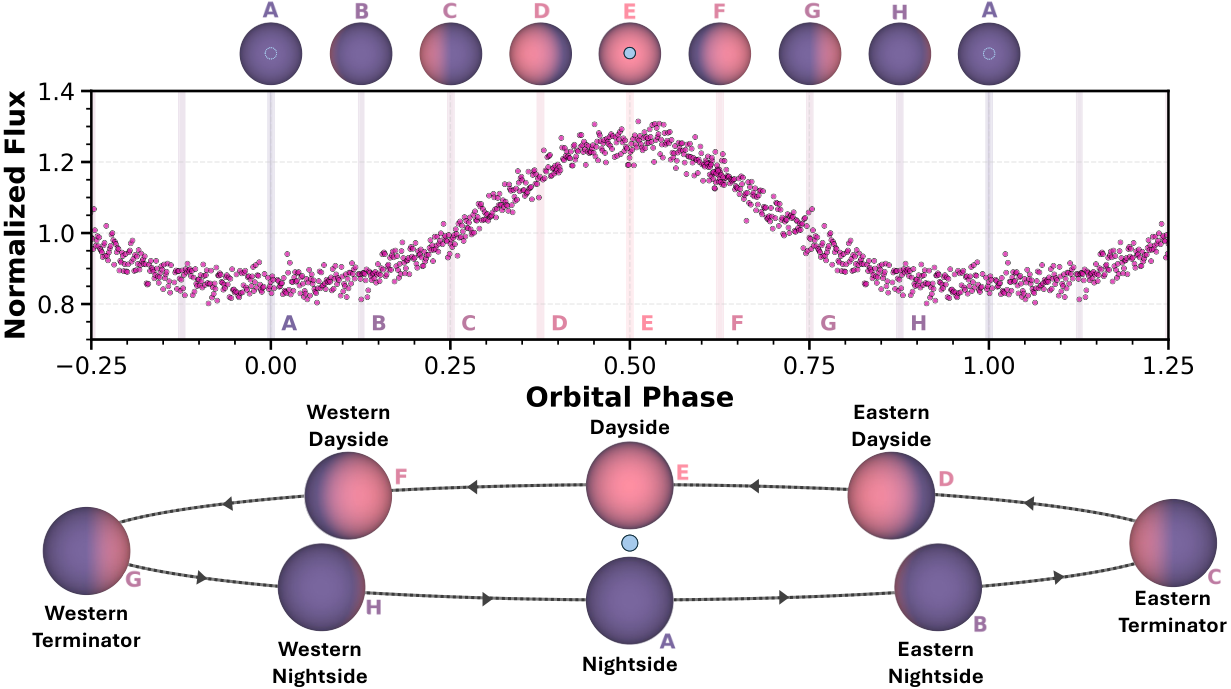
Day and night on a brown dwarf beside a white dwarf
JWST follows ZTF0038B through a full orbit. Its changing spectrum reveals inefficient heat transport and a nightside carbon dioxide feature we cannot yet fully explain.
Read the article: Day and night on a brown dwarf beside a white dwarf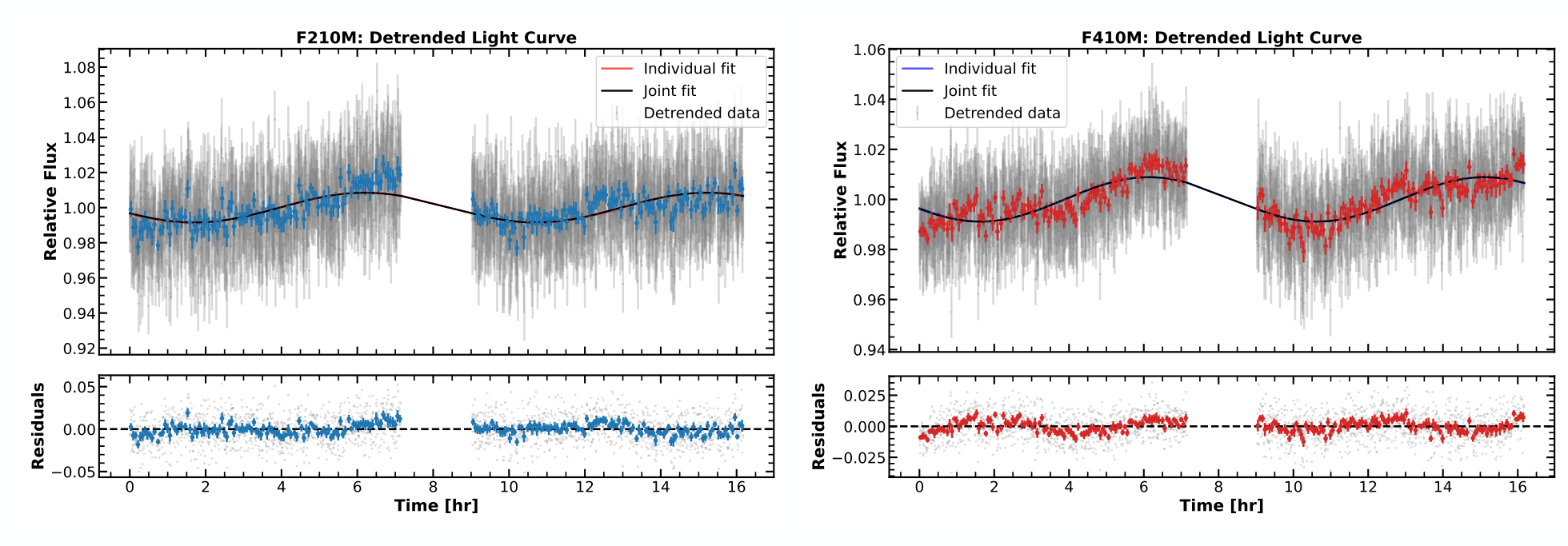
Planetary rotation
Measuring a nine-hour day on β Pictoris b
JWST images track the planet's changing brightness and measure its rotation. The result also constrains how we view its spin axis.
Read the article: Measuring a nine-hour day on β Pictoris b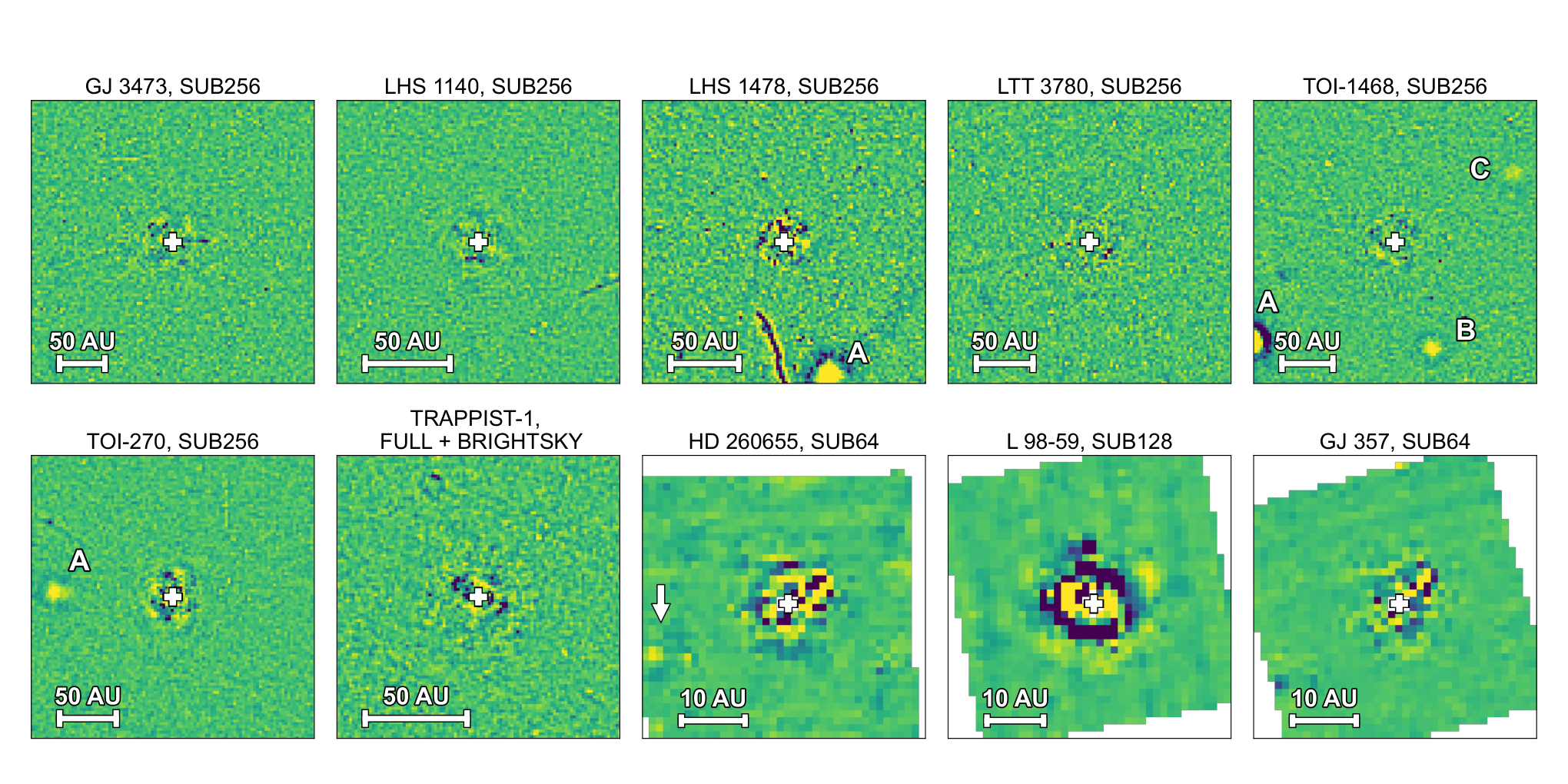
Direct imaging
Searching existing JWST images for cold giant planets
Yihan Li's study uses MIRI observations of ten nearby planetary systems to search for distant companions and measure which planets the images could reveal.
Read the article: Searching existing JWST images for cold giant planets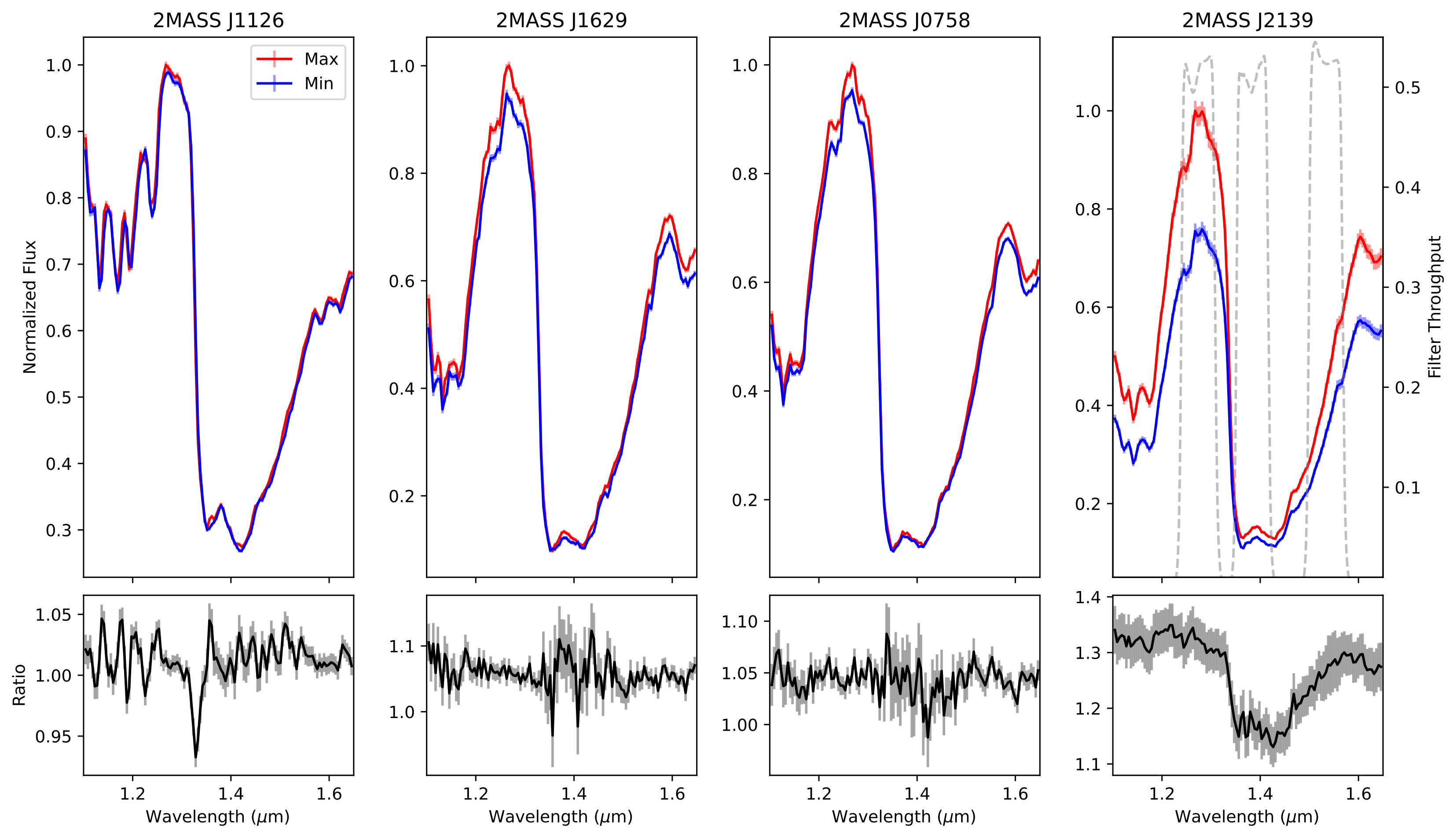
Atmospheric variability
When brown dwarfs change brightness without much change in color
Madalyn Chapleski's Hubble study finds that variability across a water absorption band differs from the pattern seen in a well-studied comparison object.
Read the article: When brown dwarfs change brightness without much change in color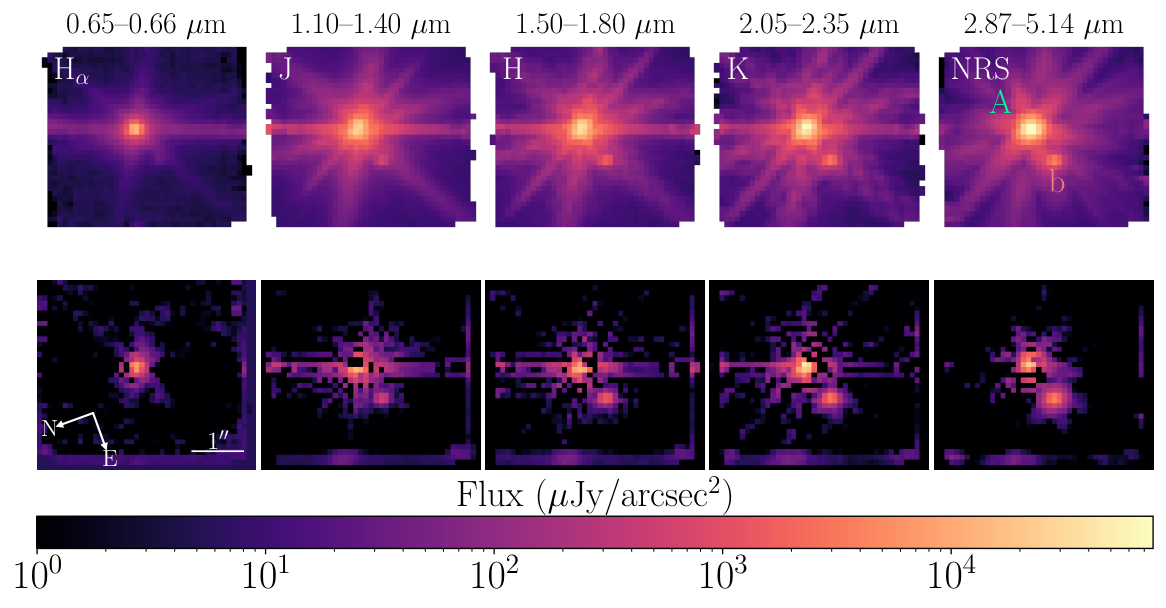
JWST observations
Following a young planet's changing spectrum with JWST
A sequence of spectra reveals changes in both 2M1207 b and its brown dwarf host. The observations test cloud models and the precision of direct imaging.
Read the article: Following a young planet's changing spectrum with JWST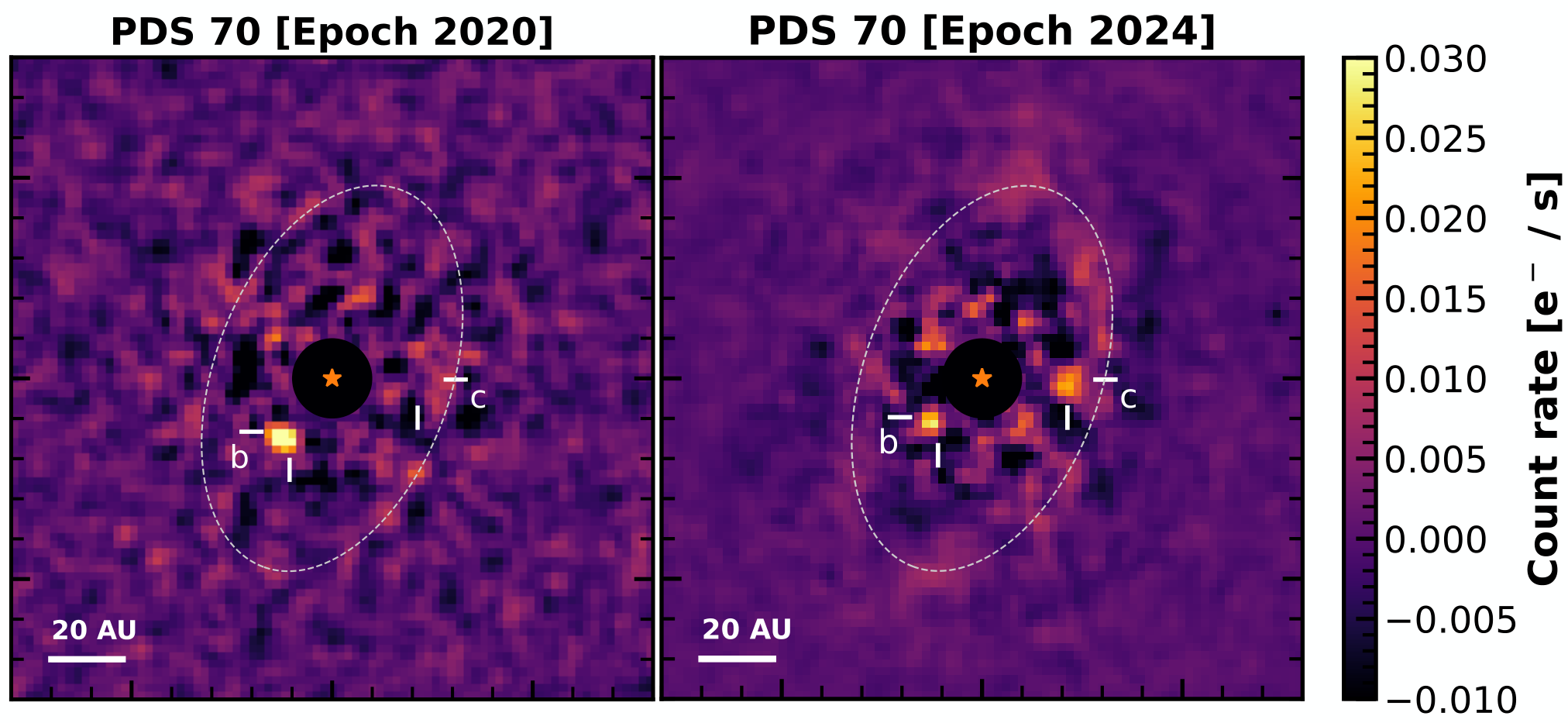
Planet formation
PDS 70 c: a growing planet changes brightness
Hubble observations show that PDS 70 c's hydrogen emission changed between 2020 and 2024. What does that tell us about how planets grow?
Read the article: PDS 70 c: a growing planet changes brightness